
.png)
The ADHD Child Nobody Invited—And How to Change That
Quick answer: Many neurodivergent children, especially those with ADHD or autism, experience repeated social exclusion that shapes their self-worth well into adulthood. Parents of neurotypical kids can help by teaching empathy, modeling inclusion, and encouraging their children to invite peers who struggle socially. One small invitation can transform how a child sees themselves.
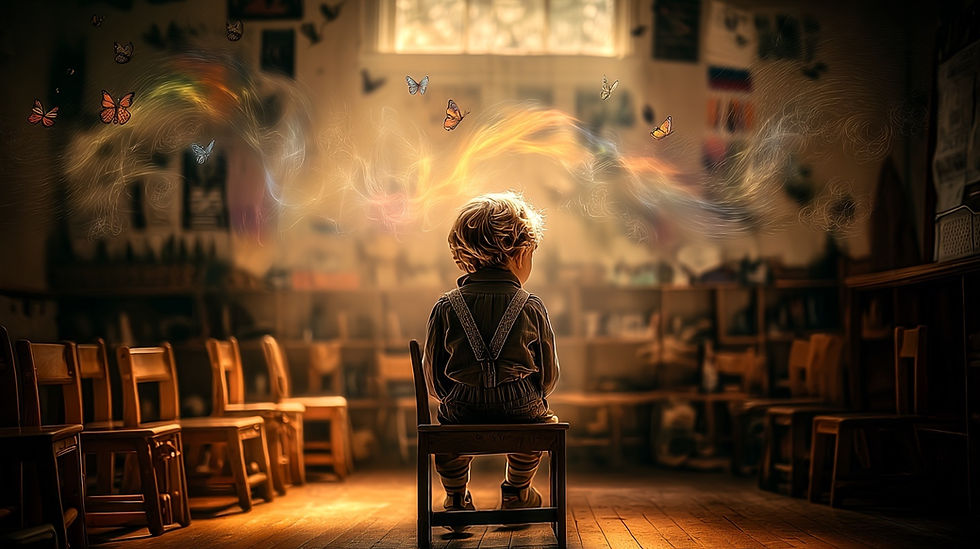
The child who never gets invited notices everything.
They notice when the birthday party photos appear online. They notice when classmates compare plans for the weekend and their name never comes up. They notice when their siblings get included and they're left at home. Long before they have the words to explain it, they understand a painful truth: somehow, they don't fit.
For many kids with ADHD or autism, this isn't an occasional sting. It's a pattern. And over time, that pattern teaches them something heartbreaking—that being themselves means being left out. This post explores why social exclusion hits neurodivergent children so hard, the lasting impact it can have, and the practical ways parents of neurotypical kids can raise children who make room for everyone.
Why neurodivergent kids get left out so often
Children with ADHD and autism often experience the world differently, and those differences can show up in social settings. A child might talk a lot when they're excited. They might struggle to read body language, interrupt without meaning to, or get so absorbed in a favorite topic that they miss social cues. Some are more sensitive to noise, change, or criticism than their peers.
None of these traits make a child unkind, unintelligent, or unworthy of friendship. But to other kids—and sometimes to adults—they can read as "too much."
Over the years, these children collect labels:
"Too loud"
"Too hyper"
"Too sensitive"
"Too intense"
"Too weird"
Each label chips away at how they see themselves. The message, repeated often enough, becomes internal: There's something wrong with me.
What repeated exclusion does to a child
Rejection hurts everyone. But for neurodivergent children who face it again and again, the effects run deep.
Many kids stop asking to be included
When a child invites others and gets turned down, when they show up hopeful and feel ignored, they learn to protect themselves. So they stop reaching out. They stop asking to join. They might even start saying they "don't like parties" or "prefer being alone."
This isn't because they don't want friends. It's because wanting friends and being rejected for it is more painful than pretending not to care.
The hurt doesn't end in childhood
Years of feeling like an outsider can follow a person far beyond their school days. The ADHD or autistic child nobody invited often grows into the adult who wonders what's wrong with them—who second-guesses every social interaction, assumes they're a burden, or struggles to believe they're truly wanted.
Research backs this up. Children with ADHD are more likely to experience peer rejection than their neurotypical peers, and that rejection is linked to higher rates of anxiety and depression later in life. Social exclusion isn't a minor childhood disappointment. It can shape mental health for decades.
Why inclusion matters more than you might think
Here's the part that's easy to overlook: the cost of inclusion is almost nothing, but the value of it can be enormous.
One invitation might mean very little to your child. It's one more name on the guest list, one more kid at the table. But to a child who already feels like they don't belong, that same invitation can mean everything. It says: You're welcome here. You're wanted. You count.
That single message, received at the right moment, can change how a child sees themselves and the world around them.
How parents of neurotypical kids can teach inclusion
If you're raising a child who fits in easily, you have a powerful opportunity. You can help your child become someone who makes room for others. Here's how.
Teach them that different isn't bad
Children take their cues from the adults around them. When you talk about people who are different—whether in how they move, speak, learn, or behave—do it with curiosity and respect, not judgment.
Explain that some kids' brains work differently, and that's okay. A child who flaps their hands, talks a lot, or needs extra quiet isn't doing anything wrong. They're simply being themselves.
Help them notice who's being left out
Empathy starts with awareness. Encourage your child to look around and notice who's sitting alone, who never gets picked for the team, or who's standing at the edge of the group. Ask gentle questions: "Did you see anyone who looked lonely today? What do you think we could do?"
This habit—of seeing others—is the foundation of kindness.
Encourage the small, brave acts of inclusion
Inclusion doesn't require grand gestures. It can be as simple as:
Saying hello to a classmate who's often overlooked
Inviting one more kid to sit at the lunch table
Adding a name to the birthday party list
Asking a quiet child to join a game
Praise these moments when you see them. Let your child know that including others is something to be proud of.
Model it yourself
Kids learn far more from what you do than what you say. Invite the parent who seems isolated. Strike up a conversation with the family that keeps to themselves. Show your child that making room for others is simply how your family moves through the world.
What inclusion looks like in everyday moments
It helps to make this concrete. Inclusion isn't a one-time event—it's a series of small choices that add up. Picture these scenarios:
At a birthday party: Instead of inviting only the "usual" group, your child includes the classmate who's never invited. You might prepare your child for any differences ahead of time, so they understand and welcome them.
On the playground: Your child notices a kid playing alone and asks them to join. No big announcement—just a simple "Want to play with us?"
In the classroom: When picking partners or teams, your child chooses the person who often gets left for last.
These moments cost nothing. But for the child on the receiving end, they can rewrite the story they tell themselves about who they are.
A message worth passing on
If there's one thing to carry away from this, it's this: the children who struggle socially are not asking for much. They're not asking to be the most popular kid in class. They're asking, quietly and often without words, to simply be included.
Parents of neurotypical children hold a real power here. By teaching your kids that different isn't bad, that inclusion matters, and that one kind act can change someone's whole day, you help raise a generation that makes room for everyone.
The child nobody invited deserves to be invited. And it starts with the families who choose to open the door.
Frequently asked questions
Why do children with ADHD or autism struggle socially?
Children with ADHD or autism often process social situations differently. They may interrupt, miss body language cues, talk intensely about their interests, or feel overwhelmed by noise and change. These traits can be misread by peers as "too much," leading to exclusion—even though the child is simply being themselves.
How does social exclusion affect neurodivergent children long-term?
Repeated exclusion can deeply affect a child's self-worth. Many neurodivergent children who were left out grow into adults who doubt their value, assume they're a burden, or struggle with anxiety and depression. Research links peer rejection in childhood to higher rates of mental health challenges later in life.
What can I teach my neurotypical child about including others?
Teach your child that different isn't bad, help them notice who's being left out, and encourage small acts of inclusion—like saying hello, sharing a lunch table, or adding a name to a party invite. Most importantly, model inclusive behavior yourself, since children learn most from what they see.
Does one invitation really make a difference?
Yes. For a child who frequently feels excluded, a single invitation can carry enormous meaning. It signals that they're wanted and that they belong. While the gesture may feel small to the giver, it can meaningfully shift how an excluded child sees themselves.


Comments