
.png)
How Autism Assessment Can Transform University Life for Students
Updated: Sep 12

University life brings unique challenges for every student, but for those on the autism spectrum, these challenges can feel overwhelming without proper support and understanding. Recent research reveals that autism may exist in multiple subtypes with distinct genetic markers, making comprehensive assessment more crucial than ever for students seeking to thrive in higher education.
Getting an autism assessment during university years isn't just about receiving a diagnosis—it's about unlocking your potential, accessing essential support services, and creating a pathway to academic success. Whether you've suspected you might be autistic for years or are just beginning to recognize certain patterns in your behavior and experiences, understanding how professional assessment can benefit your university journey is the first step toward positive change.
Many university students discover their autism later in life, often during the transition to higher education when social and academic demands intensify. This discovery can be both enlightening and empowering, providing explanations for past struggles while opening doors to accommodations and support that can make all the difference in academic achievement and personal well-being.
Understanding Autism in University Students
Autism is a neurodevelopmental condition characterized by differences in social communication, sensory processing, and patterns of behavior and interests. According to the World Health Organization, approximately one in 127 people are autistic, yet many university students remain undiagnosed, particularly women and those who developed coping mechanisms that masked their autistic traits during childhood.
Recent groundbreaking research from the University of Cambridge has revealed that autistic individuals can be grouped into distinct developmental trajectories. Some students experienced consistent difficulties from early childhood, while others had fewer challenges initially but encountered more significant struggles during late childhood and adolescence—precisely when many are preparing for or beginning university life.
This research, led by Varun Warrier, found that these different trajectories are reflected in students' DNA, with those diagnosed later having different genetic variants than those diagnosed earlier. The study explains "anywhere between 10 to 25 per cent of the variance in age of autism diagnosis," highlighting the complex nature of autism presentation and the importance of understanding individual differences.
The University Challenge: Why Many Students Struggle Undiagnosed
University environments can be particularly challenging for undiagnosed autistic students. The combination of academic pressure, social expectations, independent living, and sensory-rich environments creates a perfect storm of stressors that can overwhelm coping mechanisms developed during high school.
Common struggles experienced by undiagnosed autistic university students include:
Social isolation and difficulty forming friendships in residence halls or study groups
Sensory overload in lecture halls, libraries, and dining facilities
Executive functioning challenges with time management, organization, and project planning
Communication difficulties during group work, presentations, or office hours with professors
Anxiety and depression resulting from chronic stress and feelings of being different
Academic underperformance despite high intelligence and effort
Students who receive autism assessments during university often report feeling relief and validation. Understanding their neurological differences provides a framework for developing effective strategies and accessing appropriate support services.
The Power of Comprehensive Autism Assessment
A thorough autism assessment conducted by qualified professionals can be transformative for university students. New Discovery Psychological Services offers comprehensive assessment that goes beyond simple screening tools to provide detailed insights into individual strengths, challenges, and support needs.
What Comprehensive Assessment Includes
Professional autism assessment typically involves multiple components designed to create a complete picture of an individual's neurodevelopmental profile:
Clinical interviews explore developmental history, current challenges, and personal experiences across different environments. These conversations help clinicians understand how autism traits manifest in academic, social, and daily living contexts.
Standardized assessment tools such as MIGDAS provide structured evaluation of communication, social interaction, and behavioral patterns.
Cognitive and academic testing identifies specific learning strengths and challenges that may impact university performance, helping to differentiate autism-related difficulties from learning disabilities or other conditions.
Sensory processing evaluation examines how individuals respond to different sensory inputs, which is crucial for creating supportive university environments.
Understanding Your Unique Autistic Profile
Recent research suggests that autism takes multiple forms, with different symptoms, behaviors, and underlying genetics. Natalie Sauerwald from the Flatiron Institute notes that evidence supports "the idea that autism is actually potentially multiple conditions." This understanding emphasizes the importance of individualized assessment that recognizes the spectrum nature of autism.
Your assessment results will help identify your specific autistic profile, including:
Communication strengths and preferences
Sensory processing patterns
Executive functioning abilities
Social interaction styles
Special interests and talents
Areas requiring additional support
Transforming University Experience Through Assessment
Academic Accommodations and Success Strategies
With a formal autism diagnosis, university students gain access to disability support services that can dramatically improve their academic experience. Common accommodations include:
Testing accommodations such as extended time, quiet testing environments, or alternative formats help students demonstrate their knowledge without being hindered by autism-related challenges.
Classroom supports might include preferential seating, permission to use noise-canceling headphones, or breaks during long lectures to manage sensory needs.
Assignment modifications such as alternative presentation formats or extended deadlines can help students showcase their abilities while accommodating executive functioning differences.
Technology supports including text-to-speech software, organizational apps, or communication devices can bridge gaps between ability and performance.
Social and Emotional Support
University can be socially overwhelming for autistic students, but assessment results help identify specific areas where support is needed. Many universities offer:
Social skills groups designed specifically for autistic students to practice communication and relationship-building in a supportive environment.
Peer mentorship programs that connect newly diagnosed students with successful autistic upperclassmen who can share strategies and provide encouragement.
Counseling services with therapists experienced in autism who can help students develop coping strategies and address co-occurring mental health concerns.
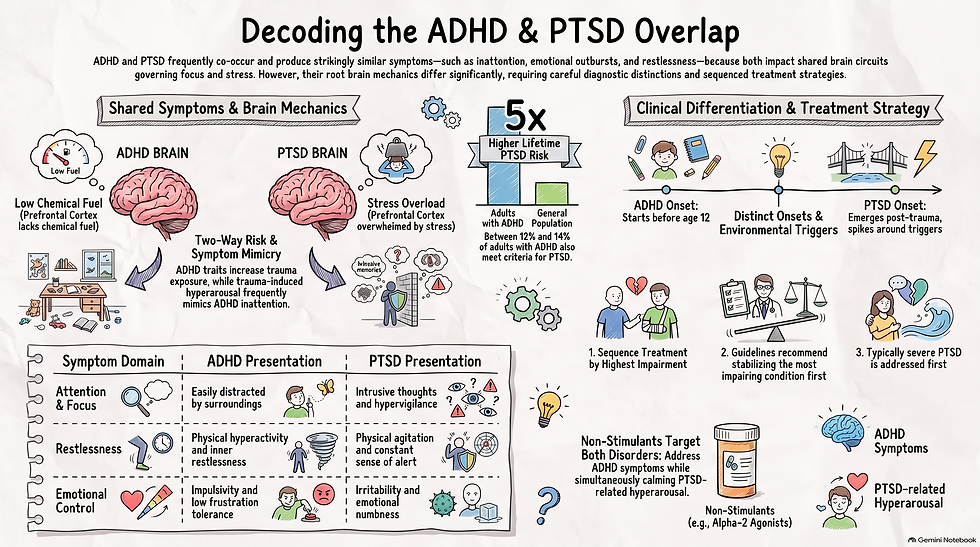
The research by Warrier's team found that students diagnosed later were more likely to have genetic variants associated with ADHD and post-traumatic stress disorder, highlighting the importance of comprehensive mental health support alongside autism-specific interventions.
Career Preparation and Self-Advocacy
Understanding your autistic profile through comprehensive assessment prepares you for successful career transitions. Students learn to:
Identify work environments that align with their sensory and social needs
Communicate their accommodation requirements to future employers
Leverage their autistic strengths, such as attention to detail, pattern recognition, or specialized knowledge
Develop self-advocacy skills that will serve them throughout their professional lives
The Assessment Process: What to Expect
Many students feel anxious about autism assessment, but understanding the process can help alleviate concerns and prepare for this important step.
Initial Consultation
The process typically begins with a comprehensive consultation where you'll discuss your concerns, experiences, and goals with a qualified clinician. This conversation helps determine whether autism assessment is appropriate and what specific areas should be evaluated.
Gathering Information
Assessment involves collecting information from multiple sources, including:
Developmental history from childhood
Academic records and performance patterns
Input from family members or close friends who can provide perspective on your social and behavioral patterns
Self-report questionnaires about current experiences and challenges
Testing and Observation
The assessment process includes structured observations and testing sessions designed to evaluate autism-related traits. These sessions are conducted in a supportive environment by experienced professionals who understand autism presentation in university students.
Results and Recommendations
Following assessment, you'll receive detailed results explaining your unique profile, along with specific recommendations for accommodations, supports, and strategies that can enhance your university experience.
Breaking Down Barriers: Addressing Common Concerns
"But I'm Doing Fine Academically"
Academic success doesn't preclude autism or eliminate the potential benefits of assessment. Many autistic university students excel academically while struggling significantly with social relationships, sensory challenges, or emotional wellbeing. Assessment can help identify supports that improve overall quality of life, even when grades are satisfactory.
"I'm Too Old for Diagnosis"
Research increasingly shows that autism diagnosis can occur at any age. The Cambridge study focused on individuals diagnosed between ages 5 and 17, but many people receive their first autism diagnosis during university years or even later in adulthood. It's never too late to gain understanding and access to appropriate support.
"What If I Don't Actually Have Autism?"
Comprehensive assessment examines multiple possibilities and differential diagnoses. If autism isn't the primary explanation for your experiences, the assessment process can still provide valuable insights into learning differences, anxiety disorders, or other conditions that may benefit from intervention.
The Ripple Effect: How Assessment Benefits Extend Beyond University
The benefits of autism assessment extend far beyond university years, creating positive changes that last a lifetime:
Self-understanding and acceptance develop as students learn about their neurological differences and recognize that autism is a natural part of human neurodiversity.
Improved relationships often result as students learn to communicate their needs more effectively and seek out compatible social connections.
Career success becomes more achievable when individuals understand their strengths and can advocate for appropriate workplace accommodations.
Mental health improvements frequently occur as students access appropriate support and develop effective coping strategies for managing stress and sensory challenges.
Moving Forward: Taking the Next Step
If you're a university student wondering whether autism assessment might benefit you, trust your instincts. The growing understanding of autism diversity, including the recognition of different subtypes and developmental trajectories, means that assessment can provide valuable insights even if your experiences don't match stereotypical presentations of autism.
Consider seeking assessment if you:
Feel overwhelmed by social demands despite wanting connections with others
Experience sensory sensitivities that interfere with daily activities
Have intense interests or need for routine that others find unusual
Struggle with executive functioning despite high intelligence
Feel like you're constantly "masking" or pretending to fit in
Have been told you seem "different" but can't pinpoint why
Remember that autism assessment is not about labeling or limiting yourself—it's about understanding your unique neurological profile and accessing the support you deserve to thrive during university and beyond.
Varun Warrier emphasizes that better understanding of autism subtypes "can only lead to improvements in the quality of life for individuals—when we can better understand their condition, and how to help them, and what it is that they need exactly and what they don't need."
New Discovery Psychological Services provides comprehensive autism assessments designed to empower university students with knowledge, support, and strategies for success. Taking this step toward understanding yourself better is an investment in your academic achievement, personal wellbeing, and future success.
Your university years are a time of growth, discovery, and preparation for your future. With the right support and understanding, autistic students can not only succeed but excel in higher education while building the foundation for fulfilling careers and meaningful relationships. The journey toward understanding your autism begins with a single step—comprehensive assessment that opens doors to a world of possibilities.
References:
Marshall, M. (2025, October 1). Autism may have subtypes that are genetically distinct from each other. New Scientist. https://www.newscientist.com/article/2498323-autism-may-have-subtypes-that-are-genetically-distinct-from-each-other/
World Health Organization. (n.d.). Autism spectrum disorders. WHO Fact Sheets. https://www.who.int/news-room/fact-sheets/detail/autism-spectrum-disorders


Comments